Commercial Demolition
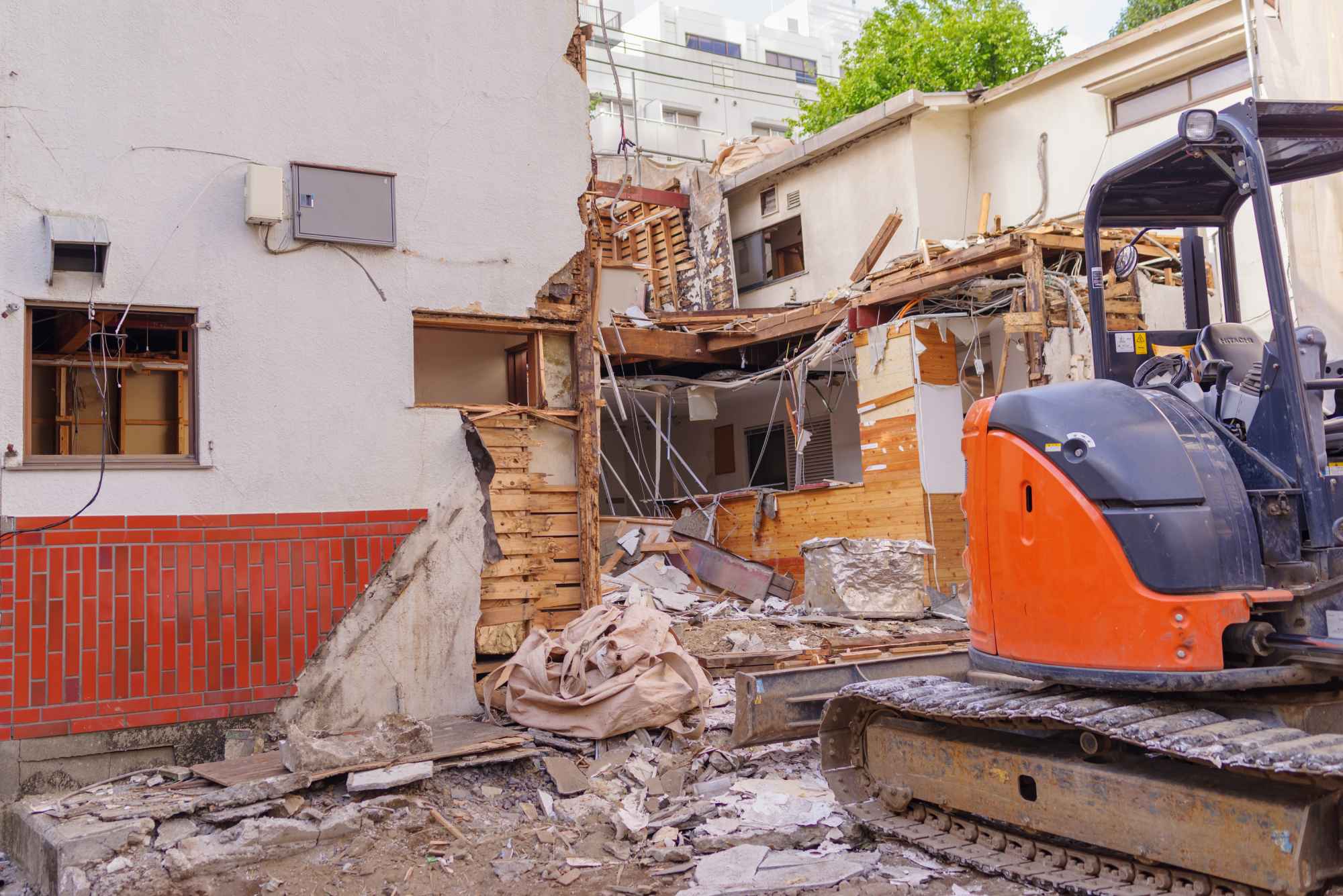
Commercial demolition is more than just tearing down buildings — it’s about making way for progress with precision and care. Every project demands a deep understanding of structure, safety, and timing. Whether it’s an outdated office block or a large industrial site, the process requires experience and expertise. A well-planned demolition paves the way for modern developments and new opportunities. With professional oversight, each step is controlled and measured to ensure safety and efficiency. The right demolition partner transforms a complex challenge into a smooth operation.
Before a single wall comes down, detailed site assessments and safety inspections take place. Engineers and project managers work together to evaluate the structure, identify hazards, and map out an exact plan. This preparation helps avoid costly mistakes and ensures compliance with all regulations. Equipment is selected based on the site’s layout, material type, and proximity to other structures. Every action is documented, and permits are obtained before the first machine starts. This level of planning defines the difference between a routine job and a successful demolition.
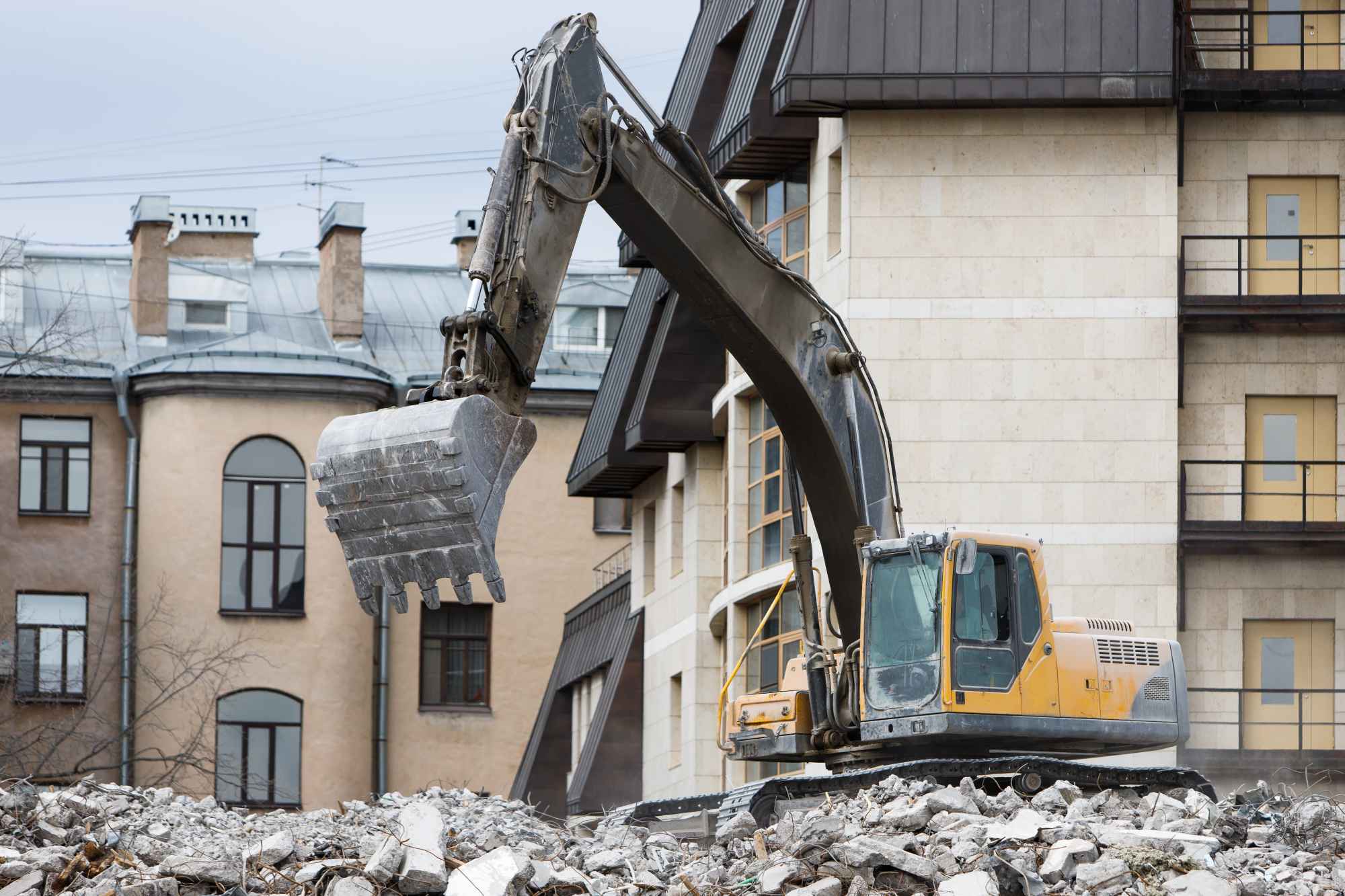
Modern commercial demolition relies on advanced machinery and innovative techniques. High-reach excavators, precision cutting tools, and dust suppression systems make the process safer and cleaner. Teams use controlled dismantling rather than brute force to preserve surrounding properties. By combining technology with human expertise, contractors reduce noise, minimize waste, and lower environmental impact. Each step is monitored to maintain strict safety standards. These methods reflect how far the industry has evolved from traditional demolition practices.
Safety stands at the core of every commercial demolition project. Strict protocols are followed to protect workers, nearby businesses, and the environment. Personal protective equipment, exclusion zones, and real-time communication ensure that every person on-site stays informed. Risk assessments are updated daily as work progresses to address any changes. Emergency response plans are in place long before work begins. When safety is prioritized, confidence and productivity naturally follow.
Waste management and recycling play a crucial role in responsible demolition. Materials such as steel, concrete, and timber are sorted and sent for reuse or recycling whenever possible. This not only reduces landfill waste but also supports sustainability efforts across the construction industry. Responsible contractors aim to recycle up to 90% of demolition materials. Each project contributes to a cleaner, greener future while saving resources and costs. Environmental accountability has become an essential part of modern demolition practices.
Commercial demolition is the first step toward creating something new. It clears the path for development, renewal, and economic growth. With skilled professionals, advanced equipment, and careful planning, even the largest structures can be removed safely and efficiently. Businesses benefit from faster turnaround times and fewer disruptions. Every completed project represents both an ending and a beginning — a space transformed for new potential. In the right hands, demolition is not destruction; it’s preparation for progress.